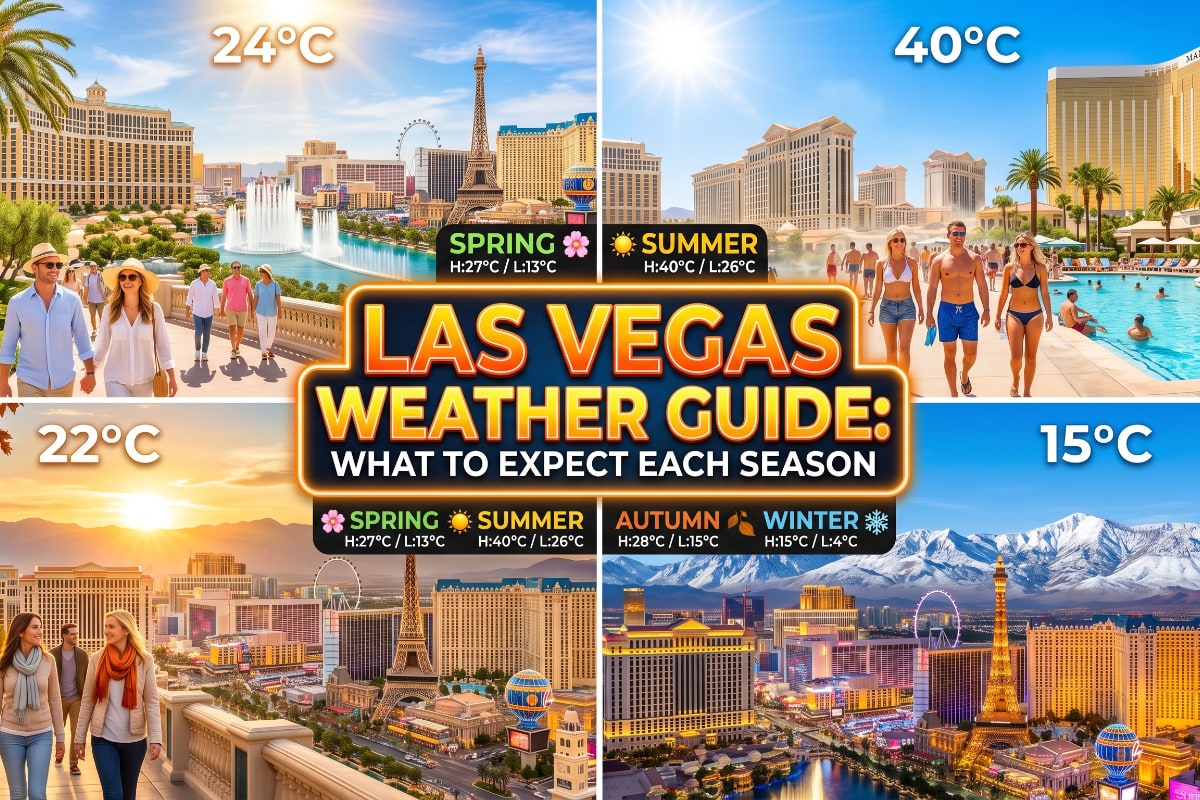
Las Vegas, known for its vibrant nightlife and entertainment, also boasts unique weather patterns throughout the year. Whether you are planning a visit to enjoy the casinos or the scenic beauty, understanding the Las Vegas weather by month is crucial to ensure a comfortable experience. Below, we delve into the temperature ranges and weather expectations for each season, helping you decide the best time to visit this iconic city.
Spring in Las Vegas
Spring, from March to May, is one of the most pleasant times to visit Las Vegas. The temperatures gradually rise, making it ideal for outdoor activities and events. Average daytime temperatures range from the mid-60s°F to the low 80s°F. Nights can be cooler, dropping to the mid-40s°F. Here are some highlights of spring weather:
- March: Mild days with average temperatures around 70°F
- April: Warm days, usually reaching 75°F - 80°F
- May: Hot temperatures begin to set in, often hitting 85°F
Spring Activities: Spring is perfect for exploring Red Rock Canyon, attending outdoor concerts, or enjoying pool parties as the weather warms up.
Summer in Las Vegas
Summer in Las Vegas, spanning June to August, is characterized by scorching heat. Average daily temperatures can soar to 100°F or more, particularly in July. However, the low humidity levels make the heat somewhat bearable. Nighttime temperatures can still be warm, hovering around 70°F. Key details for summer weather include:
- June: Average highs of 95°F
- July: The hottest month with temperatures frequently above 100°F
- August: Slightly cooler, averaging about 98°F
Summer Activities: Beat the heat by visiting indoor attractions like museums, catching a show, or enjoying the air-conditioned casinos. Evening pool parties and nighttime strolls on the Strip are also popular.
Fall in Las Vegas
Fall, from September to November, is another excellent season to visit. The extreme summer heat begins to wane, leading to more comfortable conditions. Daytime temperatures typically range from the upper 80s°F in September to the low 60s°F by November. Here’s what you can expect:
- September: Warm, still averaging around 88°F
- October: Comfortable with highs around 75°F
- November: Cooler weather, averaging around 60°F
Fall Activities: Fall is ideal for hiking, exploring the Valley of Fire State Park, or attending outdoor festivals. The pleasant weather also makes it a great time for golfing.
Winter in Las Vegas
Winter in Las Vegas runs from December to February and features milder temperatures. While daytime highs are usually in the mid-50s°F to low 60s°F, nights can be quite chilly, dipping to the low 40s°F. Despite the colder weather, winter is the best time to explore the city without the crowds. Key winter weather points include:
- December: Daytime temperatures average around 57°F
- January: Coldest month with temperatures generally around 55°F
- February: Slight warming trend, averaging about 60°F
Winter Activities: Winter is a great time to visit museums, enjoy indoor attractions, and take advantage of lower hotel rates. Consider a day trip to the nearby Mount Charleston for some snowy fun.
Monthly Temperature Guide
| Month | Average High (°F) | Average Low (°F) |
| January | 55 | 38 |
| February | 60 | 42 |
| March | 70 | 45 |
| April | 80 | 50 |
| May | 85 | 55 |
| June | 95 | 65 |
| July | 105 | 75 |
| August | 98 | 72 |
| September | 88 | 63 |
| October | 75 | 50 |
| November | 60 | 40 |
| December | 57 | 38 |
Understanding the Las Vegas weather by month helps visitors to pack appropriately and plan activities that suit their preferences. Remember to stay hydrated, especially in the sweltering summer heat, and embrace the vibrant experiences this city has to offer, no matter the season you choose to visit.